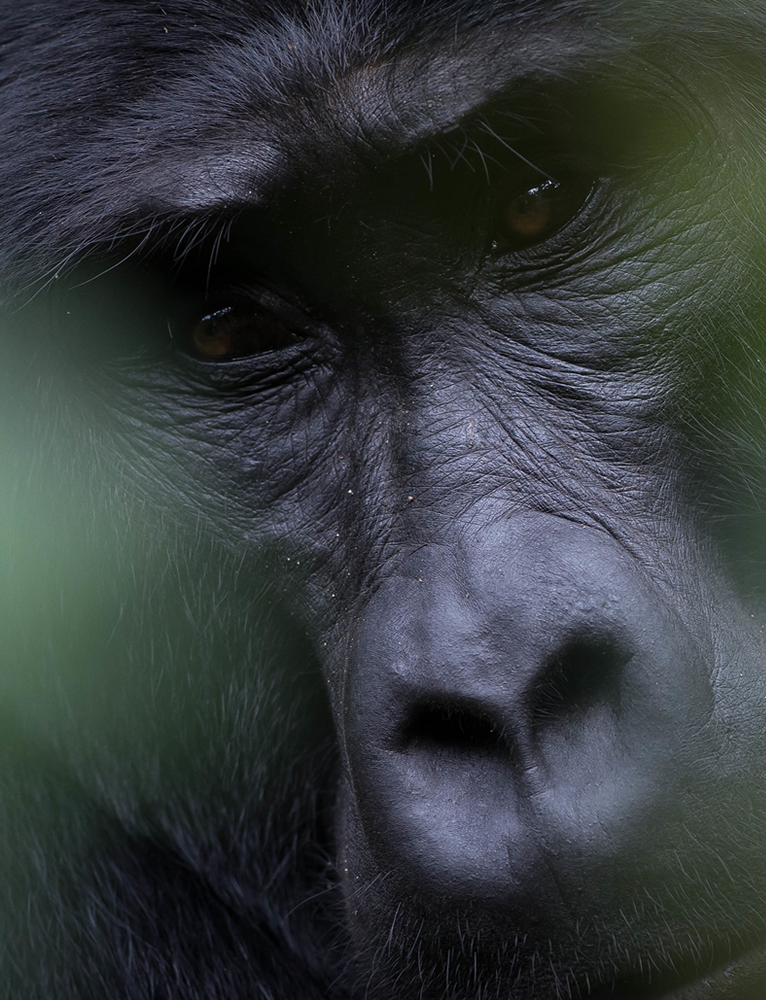
2-Day Gorilla Trekking Safari: Kigali to Bwindi
Bwindi Impenetrable National Park sits in southwestern Uganda, roughly 6-8 hours by road from Kigali. A 2-day trip is tight but doable if you prioritize the trek and accept a full driving day, or split the journey with an overnight near the border. Below is a realistic itinerary, along with lodge suggestions and a trekking checklist.
Itinerary
Day 1: Kigali to Bwindi
Early departure (6:00–6:30 AM): Leave Kigali via the Kigali–Musanze–Kisoro road. This route takes you through Rwanda’s terraced hills before reaching the border.
Border crossing: Most operators use the Cyanika border (Rwanda/Uganda), about 2.5–3 hours from Kigali, or the Katuna/Gatuna crossing further north. Cyanika is generally preferred for Bwindi’s southern sectors (Rushaga and Nkuringo), while Katuna suits the northern sectors (Buhoma and Ruhija). Border formalities usually take 30–60 minutes; ensure your passport has at least 6 months’ validity and check visa requirements in advance (see below).
Onward drive: From the Uganda side, it’s another 2–4 hours depending on which Bwindi sector you’re headed to. Roads are partly unpaved and wind through the Virunga foothills, so expect a bumpy but scenic ride — terraced farmland, volcano views, and rural trading centers.
Arrival at lodge: Aim to reach your lodge by early-to-mid afternoon. Use the remaining daylight to rest, enjoy the lodge’s forest or valley views, and get an early dinner since trekking starts at dawn.
Evening briefing: Most lodges or the park office will confirm your trekking group and sector assignment the night before, so your porter and ranger meeting point is set for the morning.
Day 2: Gorilla Trekking and Return to Kigali
5:30–6:30 AM: Early breakfast (some lodges offer packed breakfasts) before heading to the park headquarters for your sector.
7:00–7:30 AM: Registration and briefing with Uganda Wildlife Authority rangers — group assignments, rules of engagement with the gorillas, and safety instructions.
8:00 AM onward: The trek begins. Depending on where the gorilla family has nested, this can take anywhere from 1 to 6 hours each way through dense, hilly rainforest. Once you locate the family, you get exactly one hour with them — an extraordinary, humbling experience watching silverbacks, mothers, and juveniles at close range.
Return trek and certificate: After the hour, you trek back to the trailhead (retracing or via a different route), receive a certificate, and head back to your lodge for a late lunch and quick freshen-up.
Afternoon departure: Because of the long drive back to Kigali, plan to leave by early-to-mid afternoon (1:00–2:00 PM) at the latest. This gets you back to the border and into Kigali by evening, though it will be a long day — expect arrival between 8:00–9:00 PM depending on trekking duration and traffic.
Alternative: If your trek runs long or you want to avoid a rushed exit, consider adding a third day, or flying one leg via a domestic charter from Kihihi or Kisoro airstrip to Entebbe/Kigali to save road time.
Mid-Range Lodge Options
- Buhoma sector: Buhoma Lodge or Engagi Lodge — comfortable cottages with forest views, good for northern-sector treks.
- Ruhija sector: Trackers Safari Lodge or Bakiga Lodge — solid value, warm hospitality, close to the trailhead.
- Rushaga sector: Gorilla Safari Lodge or Rushaga Gorilla Camp — well-placed for southern treks, popular with multi-day gorilla and golden monkey combos.
- Nkuringo sector: Nkuringo Gorilla Camp or Clouds Mountain Gorilla Lodge (edges toward upscale, but often has mid-range rates in low season) — dramatic valley views.
Booking early matters — gorilla permits and lodge rooms near the park sell out months ahead, especially in the June–September and December–February peak seasons.
What You Need for Forest Trekking
Documentation and permits
- A valid gorilla trekking permit (Uganda Wildlife Authority, roughly $700 per person) — book through your operator well in advance.
- Passport with adequate validity; check whether you need a Uganda visa or an East Africa Tourist Visa (covers Rwanda, Uganda, and Kenya) beforehand.
- Proof of yellow fever vaccination, often requested at borders in the region.
Physical gear
- Sturdy waterproof hiking boots with ankle support.
- Long-sleeved shirt and long trousers (protects against nettles and insects); neutral colors preferred.
- A lightweight rain jacket — Bwindi’s rainforest lives up to its name.
- Gardening or thick gloves for gripping vegetation on steep, muddy slopes.
- Gaiters (highly recommended to keep ants and mud out of boots).
- A walking stick (often provided free at the trailhead).
- A daypack for water, snacks, and camera gear.
Other essentials
- Drinking water (2+ liters) and energy snacks.
- Insect repellent and sunscreen.
- A camera without flash (flash photography disturbs the gorillas and is prohibited).
- Cash for tipping porters and rangers.
- A porter (optional but strongly recommended — affordable, supports the local community, and genuinely helps on steep terrain).
Rules and fitness notes
- Minimum age for trekking is 15.
- Anyone with a contagious illness (including colds) may be barred from trekking to protect the gorillas, who are susceptible to human diseases.
- A reasonable level of fitness helps, as treks can involve steep, slippery terrain for several hours.