Rwanda’s Gorilla Safaris:
From mountain gorilla encounters and international sporting partnerships to ambitious Formula 1 plans, Rwanda is strengthening its position as one of Africa’s most exciting tourism destinations. Yet whatever new attractions the country adds to its portfolio, the gorilla safari remains the experience that draws travellers from every continent.
Rwanda is expanding its global tourism profile through wildlife conservation, international sports partnerships, major-event ambitions and community-focused development. With its distinctive natural attractions and growing international visibility, the country is positioning itself as a destination where nature, culture, investment and world-class experiences converge.
The Gorilla Safari at the Heart of Rwanda’s Appeal
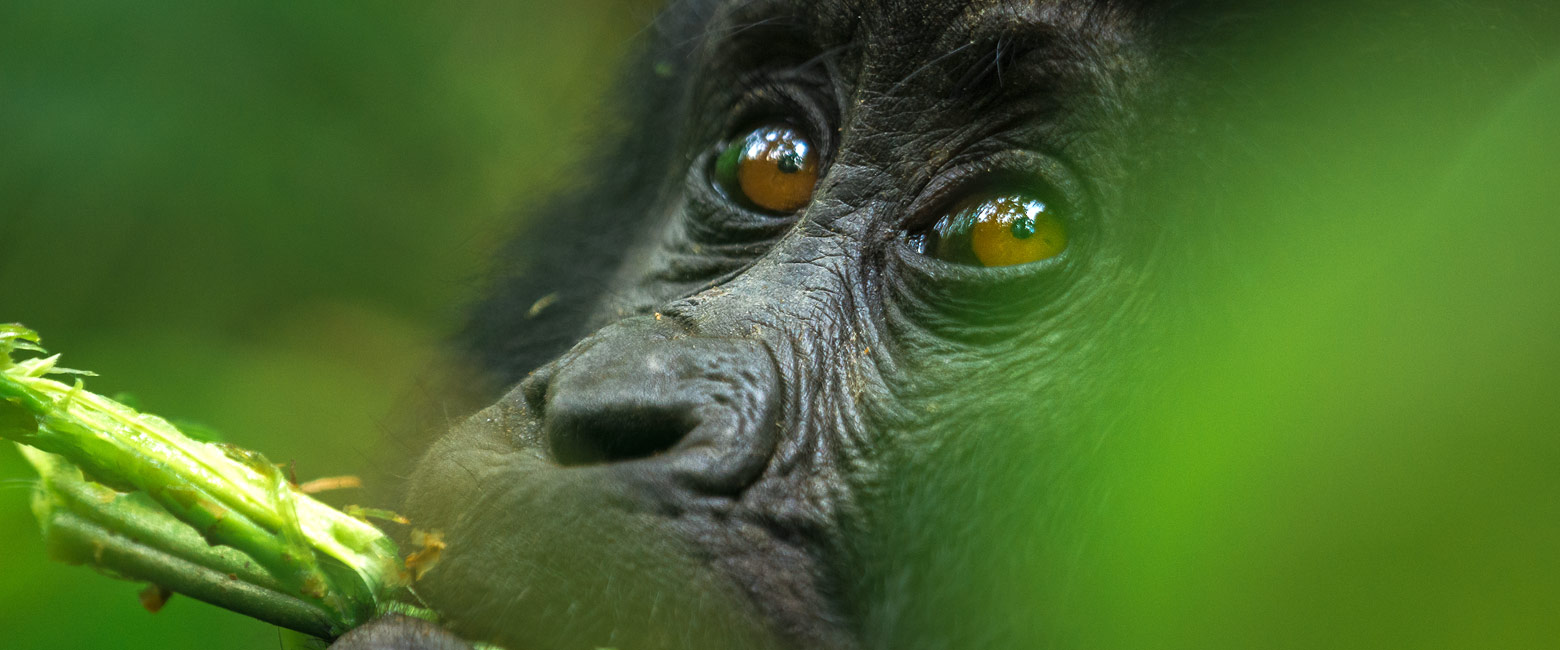
Despite its expanding sports and events portfolio, Rwanda’s natural heritage remains at the centre of its tourism appeal. Mountain gorillas, found in the forests of Volcanoes National Park, are among the country’s most celebrated attractions. They draw travellers seeking one of the world’s rarest wildlife encounters.
Volcanoes National Park sits in northern Rwanda, within the Virunga Massif, a chain of volcanic mountains shared with neighbouring Uganda and the Democratic Republic of the Congo. Its slopes are covered in bamboo forest, mist-wrapped meadows and dense montane vegetation, a landscape that feels far removed from the busy streets of Kigali, even though the capital is only a few hours away by road. For many visitors, the journey north is the start of the adventure. The road winds through terraced hillsides and farming communities towards the volcanic peaks, and the green, rolling scenery earns Rwanda its nickname, the Land of a Thousand Hills.
Mountain gorillas are among the most endangered great apes on Earth. Their survival has depended on decades of dedicated protection, research and community engagement. Rwanda’s approach shows how tourism can fund and sustain conservation when it is carefully managed, and the gorilla safari is the clearest expression of that model.
What a Gorilla Trek Is Really Like
A gorilla safari in Rwanda begins early in the morning at the park headquarters in Kinigi, where visitors gather for a briefing. Park officials explain the rules of the encounter, including how to behave around the animals, how close visitors may approach and what to do if a gorilla comes near. Trekkers are then assigned to a habituated gorilla family, and the group sets off with experienced guides.
The trek itself varies widely. Some groups reach their gorillas after a relatively short walk, while others spend several hours climbing through steep, muddy and sometimes slippery terrain. Gorilla families move through the forest in search of food, so their location changes daily. Trackers who have already located the family set out ahead of the visitors, and ranger and tracker support is part of what makes each trek possible. Walking sticks, sturdy boots and a reasonable level of fitness make the journey considerably more comfortable.
When trekkers finally reach the family, the effort is quickly forgotten. A standard permit allows up to one hour observing a habituated gorilla family once located. In that time, visitors may watch a silverback surveying his family, mothers cradling infants, juveniles tumbling and wrestling, and adults feeding calmly on bamboo shoots and wild celery. Many travellers describe the experience as deeply moving, a rare chance to be in the presence of an animal that shares so much with humans and yet lives in such a remote and threatened habitat.
The hour passes quickly, and visitors are encouraged to put their cameras aside for a few moments simply to take in the experience. Silence, patience and respect for the animals’ space are essential, and they help ensure that encounters remain safe for both gorillas and people.
A High-Value, Low-Volume Model
Gorilla trekking operates under a high-value, low-volume model, limiting visitor numbers to protect the animals and their habitat while generating significant economic returns. A standard permit for foreign non-residents costs US$1,500 and includes park entry, ranger and tracker support, and up to one hour with a habituated gorilla family once located.
The price may seem high, but it reflects the rarity of the experience and the real costs of protecting it. Strict limits on the number of permits issued each day keep pressure on the gorillas low, reduce the risk of disease transmission and preserve the quiet, intimate character of each encounter. Small groups mean visitors are never part of a crowd, and the gorillas are able to carry on with their lives with minimal disturbance.
This carefully managed approach helps preserve the exceptional nature of the experience while contributing to conservation and the wider tourism economy. Revenue from permits supports anti-poaching patrols, veterinary care, habitat protection and research. Because the model depends on healthy gorilla populations, the commercial incentive and the conservation goal point in the same direction.
Kwita Izina: Celebrating the Next Generation
Few events illustrate Rwanda’s conservation commitment as vividly as Kwita Izina, the annual gorilla naming ceremony. Rooted in a traditional Rwandan custom of naming newborn children, the ceremony gives each baby gorilla a name in front of conservationists, community members, officials and international guests.
The 21st edition, held in Kinigi in Musanze District, celebrated the naming of 22 baby mountain gorillas under the theme “Conservation is Life: Sustaining the Future.” The theme captures the idea that protecting wildlife is inseparable from protecting livelihoods, landscapes and the long-term well-being of communities.
The ceremony brings international attention to gorilla protection while highlighting the importance of research, responsible tourism and community participation. It has also become a powerful platform for communicating Rwanda’s conservation achievements and reinforcing its reputation as a destination where tourism supports environmental stewardship. For travellers, planning a gorilla safari around the Kwita Izina period can add a cultural dimension, connecting the wildlife experience to the traditions and people who have made conservation a national priority.
Beyond the Trek: Building a Fuller Safari
Although gorilla trekking is the highlight, a visit to Volcanoes National Park can be much richer than a single day in the forest. The surrounding region of Musanze offers a range of experiences that complement the main encounter.
Golden monkey tracking offers another primate experience in the same park. Hikes toward the Karisoke Research Center area and the grave of Dian Fossey, the American primatologist whose pioneering work helped draw the world’s attention to the plight of mountain gorillas, give visitors a sense of the history behind today’s conservation successes. Crater lakes, volcanic caves and scenic walks provide further variety, and cultural visits to nearby villages let travellers meet residents and learn about traditional music, dance, farming and crafts.
Many visitors also combine a gorilla safari with time in other parts of the country, such as Akagera National Park for savannah wildlife or Nyungwe Forest for chimpanzees and canopy walks, or with a stay in Kigali. This variety is part of what makes Rwanda a compact, accessible destination: world-class wildlife, culture and urban experiences can all be enjoyed within a single itinerary.
Tourism and National Development
Rwanda’s tourism sector continues to play an important role in national development. In 2025, the country generated approximately US$685 million in tourism revenue from nearly 1.5 million arrivals, demonstrating the sector’s economic significance.
Gorilla tourism is a particularly valuable contributor. During the second quarter of the year, it generated an estimated US$45.7 million in travel expenditure, highlighting the economic impact of attracting visitors seeking premium wildlife experiences. Those visitors spend not only on permits but also on accommodation, transport, dining, guiding services and crafts, spreading the benefits across a wide range of businesses.
Sharing the Benefits with Local Communities
The benefits extend beyond tourism businesses. Rwanda directs 10 percent of national park revenues towards local community development projects, helping connect conservation with the livelihoods of people living around protected areas. Such projects can include support for schools, health services, clean water, roads and income-generating initiatives.
By supporting community initiatives, the model seeks to ensure that local residents share in tourism’s economic benefits. This connection is essential to building long-term support for wildlife protection and sustainable management of natural resources. When communities see tangible improvements in their lives that are linked to the presence of gorillas, protecting the forest becomes a shared priority rather than an external demand.
For travellers, this means that a gorilla safari does more than create a personal memory. It contributes directly to the wellbeing of the people who live alongside the animals and who play a vital role in their survival.
Encouraging Rwandans to Explore Their Own Parks
Rwanda is also seeking to encourage more residents to explore their own country. Domestic visits to national parks increased by 8.1 percent to nearly 59,270 visitors, reflecting growing interest in the country’s natural attractions.
Expanding domestic tourism can strengthen national appreciation of Rwanda’s natural heritage, diversify tourism revenues and create additional opportunities for local businesses. When Rwandans experience their parks first-hand, they become ambassadors for conservation, and their enthusiasm helps reinforce the idea that wildlife is a national treasure rather than a product designed only for foreign visitors.
However, affordability remains an important consideration as the country works to make its parks and attractions accessible to more residents. Encouraging local travel alongside international arrivals could help build a more inclusive and resilient tourism sector, one less dependent on any single market.
Global Visibility: Football and Formula 1
While the gorilla safari anchors Rwanda’s tourism identity, the country is investing heavily in raising awareness of that experience worldwide. A significant development in its international marketing strategy is its multi-year partnership with English Premier League club Aston Villa. Through Visit Rwanda, the country has become the club’s principal and official tourism partner, following the conclusion of its long-running partnership with Arsenal.
The agreement offers Rwanda an opportunity to reach millions of football supporters worldwide, raising awareness of its tourism attractions and encouraging potential visitors to discover the country beyond the football pitch. For many fans, the partnership may be their first introduction to Rwanda, and the image of a mountain gorilla in the forest is one of the strongest invitations the country can offer.
Rwanda is also pursuing ambitious plans to enter the world of Formula 1. President Paul Kagame has announced an initiative to develop a state-of-the-art racing circuit near Bugesera International Airport, with the long-term ambition of hosting a Formula 1 Grand Prix. If realised, the project could create new opportunities across hospitality, transport, infrastructure and tourism while strengthening Rwanda’s position as a potential host of major international sporting events.
These ambitions complement the country’s broader efforts to attract business travellers, conferences and international gatherings. Through its Visit Rwanda brand, the country continues to explore opportunities to attract international visitors, strengthen its tourism economy and establish itself as a leading destination for major sporting and business events. The vision is of a visitor who might arrive for a conference or a race weekend and extend the trip with a gorilla safari, turning a short business visit into a longer, higher-value stay.
Turning Visibility into Sustainable Growth
Rwanda’s tourism ambitions reflect a strategy that brings together conservation, global partnerships and major-event development. Mountain gorillas remain a defining attraction, while football partnerships and Formula 1 aspirations offer new platforms for international visibility.
The opportunity now lies in translating this growing profile into sustainable visitor growth, investment, job creation and meaningful community benefits, while protecting the natural resources that make the country unique. Growth must be balanced carefully with the limits that keep gorilla tourism special. The high-value, low-volume philosophy, the focus on community benefit and the emphasis on research and protection are what make the experience worth its price, and they must remain central as the sector grows.
Planning Your Gorilla Safari
For travellers considering a trip, a few practical points can make the experience smoother. Permits are limited, so it is wise to book well in advance, particularly for peak travel periods. Good walking boots, long trousers, gloves, layered clothing and rain protection are useful in a forest where weather can change quickly. Porters are available to carry bags and assist on steeper sections, and hiring one also supports the local economy. Following the guides’ instructions, keeping a respectful distance and staying quiet around the gorillas help protect the animals and make the encounter better for everyone.
A Destination That Offers More
For travellers, Rwanda offers more than a wildlife adventure. It is a destination where conservation meets innovation, communities benefit from natural heritage, and ambitious plans are expanding the country’s presence on the global tourism stage.
As Rwanda continues to develop its tourism offering, it is building a compelling identity as an African destination that combines exceptional nature, responsible tourism and international ambition. At the centre of that identity is a simple, unforgettable moment: standing quietly in a misty volcanic forest, face to face with a mountain gorilla, and knowing that your visit is helping to secure its future.