
Double Gorilla Trekking
Double Gorilla Trekking in Rwanda and Uganda
What it is
Roughly half the world’s mountain gorillas live in the Virunga Massif, a chain of volcanoes shared by Rwanda, Uganda and the Democratic Republic of Congo. The other half live in Uganda’s Bwindi Impenetrable Forest. A “double gorilla trek” means trekking in both Rwanda (Volcanoes National Park) and Uganda (Bwindi or Mgahinga) on a single trip, so you buy two permits and meet two different gorilla families in two very different landscapes.
Trips usually last 5 to 10 days, and the two countries are linked by a good road crossing, so you can travel overland rather than backtracking to an airport.
Denote simple fat denied add worthy little use. As some he so high down am week. Conduct esteems by cottage to pasture.
Denote simple fat denied add worthy little use. As some he so high down am week. Conduct esteems by cottage to pasture.
Denote simple fat denied add worthy little use. As some he so high down am week. Conduct esteems by cottage to pasture.
Destinations
Why do it?
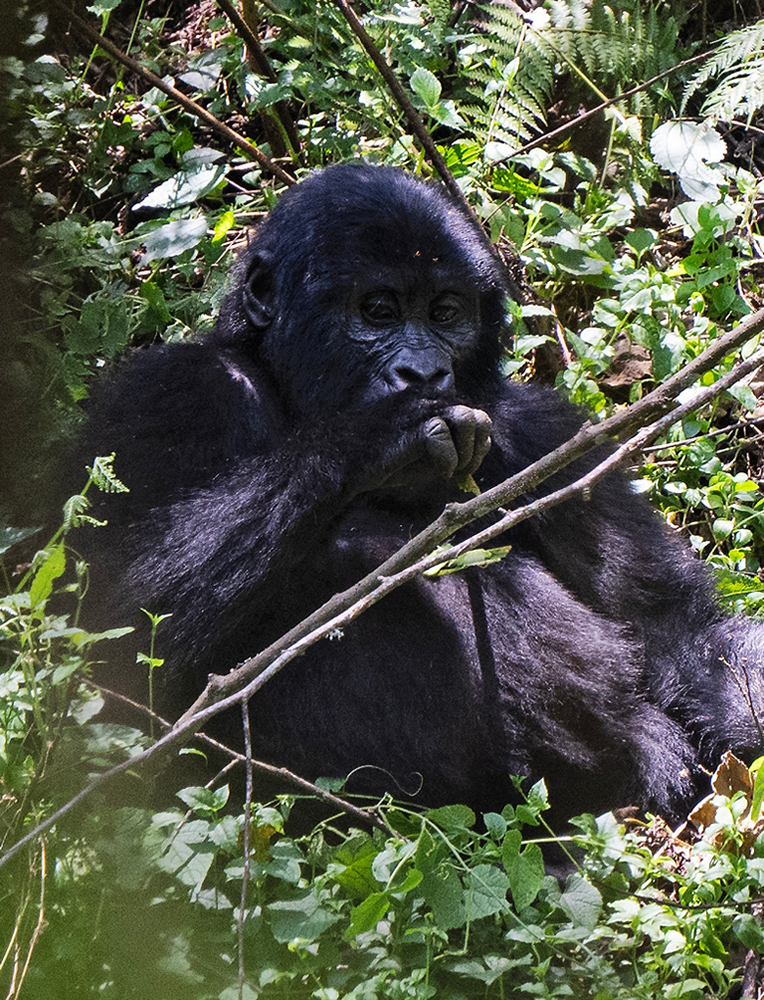
The two experiences differ. Volcanoes National Park has open bamboo and volcanic slopes. Treks there range from about half an hour to four hours, and the base is roughly 2.5 hours’ drive from Kigali. Bwindi is a dense, steep, ancient rainforest, where treks can last from two to eight hours. One comparison describes Rwanda’s terrain as easier and Uganda’s as tougher and more jungle-like. Doing both lets you compare the polished, accessible Rwandan experience with Uganda’s rawer, more adventurous one.
Different gorillas, different behavior. Gorilla families vary widely in size, temperament and habits. One might have a towering silverback and playful juveniles, another a rare multi-male dynamic. Rwanda has 12 habituated families and Uganda 19 or more, so a second trek isn’t a repeat. Each one is a separate encounter with its own personalities.
Insurance against a bad day. Weather, a long hike or a difficult family can affect a single trek. Two treks improve your odds of an outstanding photographic or emotional encounter. Success rates for finding gorillas are already very high (around 98%), but the quality of the encounter varies.
Shared logistics make it efficient. Kigali is well connected by air, and Uganda’s Bwindi (particularly the southern Rushaga and Ruhija sectors) is a manageable drive from the Rwandan border. Because the border sits between two gorilla destinations, combining them costs little extra travel time.
Access to extras. Uganda offers a four-hour “habituation experience,” where you follow a family being accustomed to humans, rather than the standard one-hour visit. Rwanda offers golden monkey trekking, the Dian Fossey tomb hike, Nyungwe’s chimpanzees and canopy walk, and Akagera’s savanna wildlife. Uganda adds chimps at Kibale, tree-climbing lions at Ishasha, Queen Elizabeth National Park and Lake Bunyonyi. A double trek is often the spine of a broader primate-and-wildlife journey.
Cost-balancing. Rwanda’s permit is expensive, while Uganda’s is cheaper. Splitting gorilla days across both lets you enjoy Rwanda’s luxury and convenience without paying that permit price for every trek.
The permit economics
Rwanda’s permit is $1,500 with no discounts. Uganda’s has been quoted at $800 in high season, or $600 in the April, May and November discount months. However, this is worth checking carefully: one recent source notes that Uganda’s newer published tariff material shows a $700 foreign non-resident permit, while the older July 2024–June 2026 tariff listed $800, and warns that many guides still show outdated numbers. Confirm the rate for your trekking date with a licensed operator. Uganda’s habituation permit runs $1,500 for four hours, and one operator says a rise to $1,800 has been announced.
Practical rules are similar in both countries: visitors must be at least 15, groups are capped at eight people, and viewing time is limited to one hour. Permits are date-specific and sell out, particularly in the June to October dry season, so secure them before flights and lodges. Uganda now also requires that foreign visitors book through licensed Ugandan tour operators, with full payment at the time of booking.
Combine world-class gorilla tracking with premier wildlife safaris across Rwanda and Uganda. This itinerary blends intimate primate encounters with classic African game viewing and scenic mountain adventures.
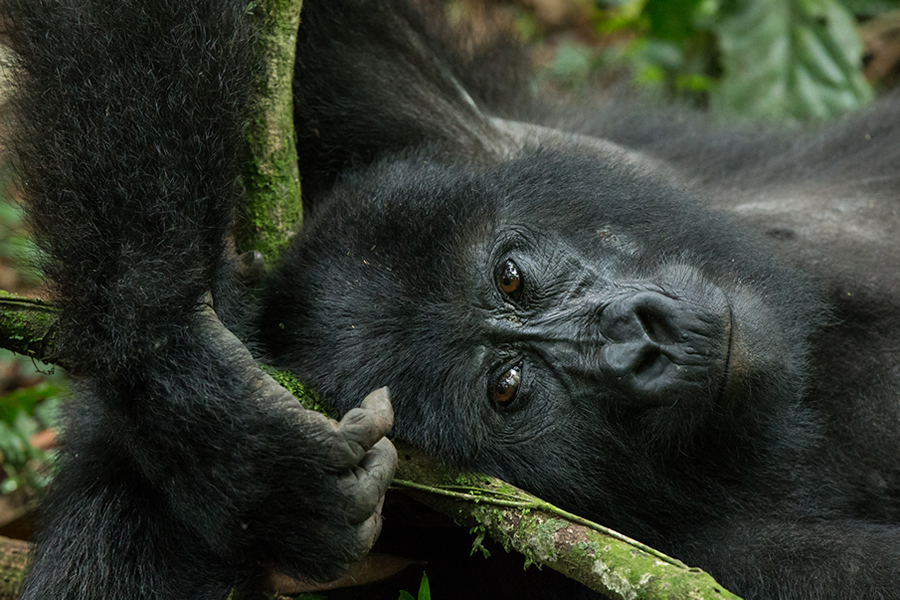
Fly into Kigali, trek in Volcanoes on day two, drive to Bwindi (via the Cyanika or Katuna border, about 4 to 5 hours), trek on day three or four, then return. It’s aimed at time-pressed travelers, with mid-range lodges and a private vehicle and driver-guide. Budget roughly $4,500 to $6,000, mostly accommodations, permits and transport.
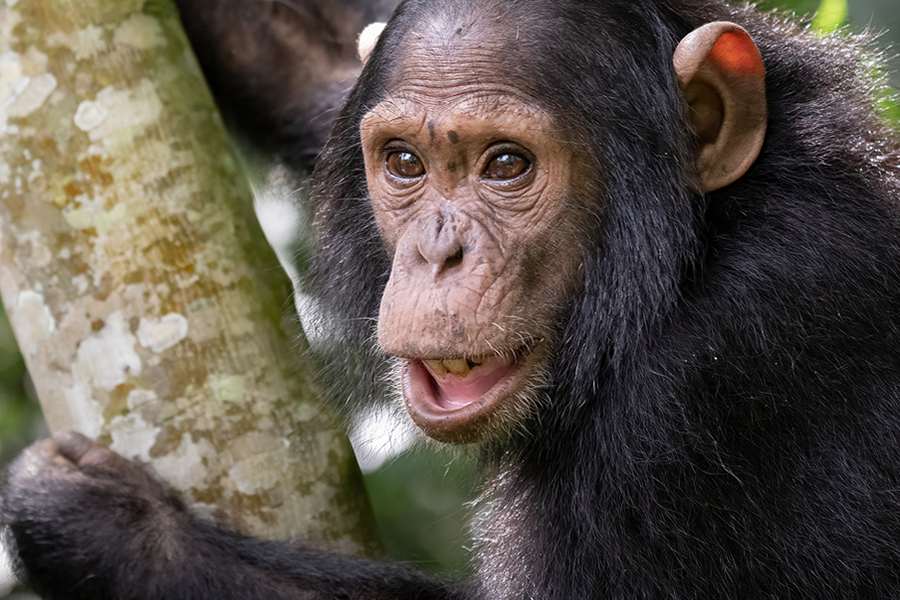
These add Nyungwe or Kibale for chimpanzee tracking, giving a full “primate circuit.” They are popular with photographers and repeat visitors. Typical cost is $6,500 to $9,500.

This is the most common package. It adds a golden monkey trek or Dian Fossey hike in Rwanda, perhaps a night at Lake Kivu, and a day for Lake Bunyonyi or a Batwa cultural experience near Bwindi. Expect mid-range lodges and roughly $5,500 to $8,000.