
Volcanoes National Park
Volcanoes National Park illustrates how conservation and tourism can reinforce each other. Gorilla tourism generates significant income for Rwanda and has helped fund protection efforts, while the growth in gorilla numbers is one of the more notable conservation successes in Africa.
Volcanoes National Park, Rwanda
Volcanoes National Park (Parc National des Volcans) sits in the northwest of Rwanda, in the Northern Province near the town of Musanze (formerly Ruhengeri), roughly 100 km from Kigali. It covers about 160 square kilometres of montane forest, bamboo stands, and alpine meadow on the slopes of the Virunga Mountains. The park is best known as one of the last refuges of the critically endangered mountain gorilla, and it is the centrepiece of Rwanda’s tourism industry.
The Mountain Gorillas
The park protects roughly a third of the world’s mountain gorillas, which live only in the Virunga massif and in Bwindi Impenetrable Forest in Uganda. In the early 1980s the total population was estimated at only around 250 individuals. Thanks to decades of conservation work, the population in the Virunga region has grown, and the species was reclassified from “critically endangered” to “endangered” by the IUCN in 2018. The species remains vulnerable, with a total population of somewhat over 1,000. Gorillas live in stable family groups led by a dominant silverback. Several groups in the park are habituated to human presence, which allows regulated tourist visits. Well-known groups have included Susa, Sabyinyo, Amahoro, Agashya, and Kwitonda, though group composition changes over time as animals die, mature, and split off.
Dian Fossey and Research History
The park has a significant place in the history of primatology. In 1967 the American researcher Dian Fossey established the Karisoke Research Center in the saddle between Karisimbi and Bisoke. Her long-term studies transformed scientific understanding of gorilla behaviour and social life, and she campaigned fiercely against poaching. She was murdered at her camp in December 1985, and the crime remains officially unsolved. Her story reached a wide audience through her book Gorillas in the Mist and the 1988 film of the same name. She is buried near the research station, beside gorillas that were killed by poachers, and the hike to her grave is a popular excursion. The Karisoke centre continues its work today under the Dian Fossey Gorilla Fund.
Geography and Landscape
The Virungas are a chain of eight volcanoes straddling the borders of Rwanda, Uganda, and the Democratic Republic of Congo. Five of them lie wholly or partly within the Rwandan park: Karisimbi, Bisoke, Muhabura, Gahinga, and Sabyinyo.
Karisimbi is the tallest at about 4,507 metres, and its summit is sometimes dusted with frost or snow. Bisoke holds a crater lake at its top and is a popular day hike. Muhabura, around 4,127 metres, is the third-highest and offers wide views across the region. Gahinga and Sabyinyo are smaller, with Sabyinyo’s jagged, tooth-like ridgeline giving it its name. These volcanoes are dormant or extinct in the Rwandan sector, though the wider Virunga range includes active volcanoes such as Nyiragongo in the DRC. The park’s vegetation shifts with altitude, from farmland and lower forest through dense bamboo, then hagenia and hypericum woodland, and finally afro-alpine heath near the peaks. The high rainfall and volcanic soils make the surroundings among the most fertile and densely farmed in Africa, which shapes many of the park’s conservation pressures.
Visiting the Park
Gorilla trekking is the main draw. Permits are issued through the Rwanda Development Board and are among the most expensive wildlife permits in Africa; the price has been raised substantially in recent years, so anyone planning a trip should check the current rate. Permits are limited, and small groups of visitors, typically up to eight per gorilla family, spend a maximum of one hour with the animals once they are found. Treks can last from under two hours to most of a day, depending on where the gorillas moved overnight, and the terrain is steep, muddy, and often wet.
Other activities include golden monkey tracking, which is more affordable and easier physically, and hikes up Bisoke and Karisimbi, the latter usually done as a two-day trek with camping. Visitors can also see the Dian Fossey tomb hike, the Musanze caves, and cultural experiences in surrounding villages. The dry seasons, roughly June to September and December to February, are generally easiest for trekking, though the forest is wet and cool year-round.
Denote simple fat denied add worthy little use. As some he so high down am week. Conduct esteems by cottage to pasture.
Denote simple fat denied add worthy little use. As some he so high down am week. Conduct esteems by cottage to pasture.
Denote simple fat denied add worthy little use. As some he so high down am week. Conduct esteems by cottage to pasture.
Combine world-class gorilla tracking with premier wildlife safaris across Rwanda and Uganda. This itinerary blends intimate primate encounters with classic African game viewing and scenic mountain adventures.
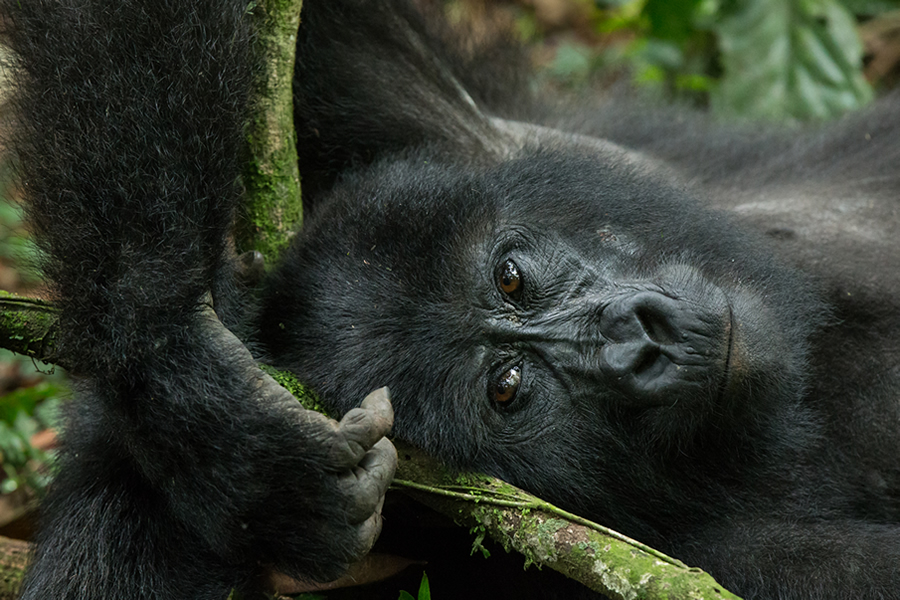
This 12-day loop runs Kigali → Nyungwe → Volcanoes National Park → Bwindi → Queen Elizabeth → Lake Mburo → Entebbe. Highlights include chimpanzee trekking and a canopy walk in Nyungwe, gorilla treks in both Rwanda and Uganda, Kazinga Channel boat cruises, Ishasha’s tree-climbing lions, and Lake Mburo game drives, ending with departure via Entebbe.
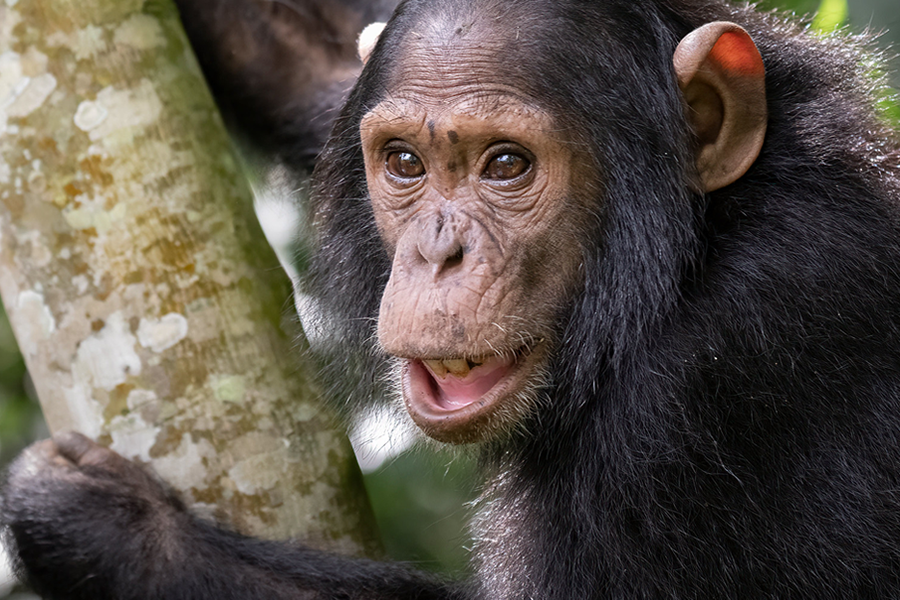
This 8-day Rwanda safari covers the country’s three flagship parks: Akagera for Big Five game drives and boat safaris, Nyungwe for chimpanzee trekking and the canopy walkway, and Volcanoes National Park for the highlight—mountain gorilla trekking. With cultural stops and scenic drives through Rwanda’s “thousand hills” connecting each region, staying at upper-midrange lodges.

This Safari package combines Rwanda’s Volcanoes National Park (gorilla trekking), a scenic crossing into southwestern Uganda for relaxation at Lake Bunyonyi, and wildlife viewing in Queen Elizabeth National Park, before looping back to Kigali. It’s a popular combination because the three destinations sit within a few hours’ drive of each other along the Rwanda–Uganda border corridor.