7-Day Rwanda Gorilla Trekking, Queen Elizabeth Safari & Lake Bunyonyi Tour
This itinerary combines Rwanda’s Volcanoes National Park (gorilla trekking), a scenic crossing into southwestern Uganda for relaxation at Lake Bunyonyi, and wildlife viewing in Queen Elizabeth National Park, before looping back to Kigali. It’s a popular combination because the three destinations sit within a few hours’ drive of each other along the Rwanda–Uganda border corridor.
Itinerary
Day 1: Arrive Kigali – Transfer to Musanze (Volcanoes National Park)
Arrive at Kigali International Airport, where your driver-guide will meet you. Depending on your arrival time, you may have a couple of hours to explore Kigali — the Kigali Genocide Memorial is a worthwhile, if sobering, stop — before the roughly 2.5 to 3-hour drive northwest to Musanze (formerly Ruhengeri), the base town for Volcanoes National Park. The drive itself is scenic, winding through Rwanda’s terraced hillsides, earning the country its “land of a thousand hills” nickname. Check into your lodge, have dinner, and rest ahead of an early trekking start.
Upper-mid-range lodge options: Mountain Gorilla View Lodge, Five Volcanoes Boutique Hotel, La Palme Gorilla Lodge, or Le Bambou Gorilla Lodge.
Day 2: Gorilla Trekking in Volcanoes National Park
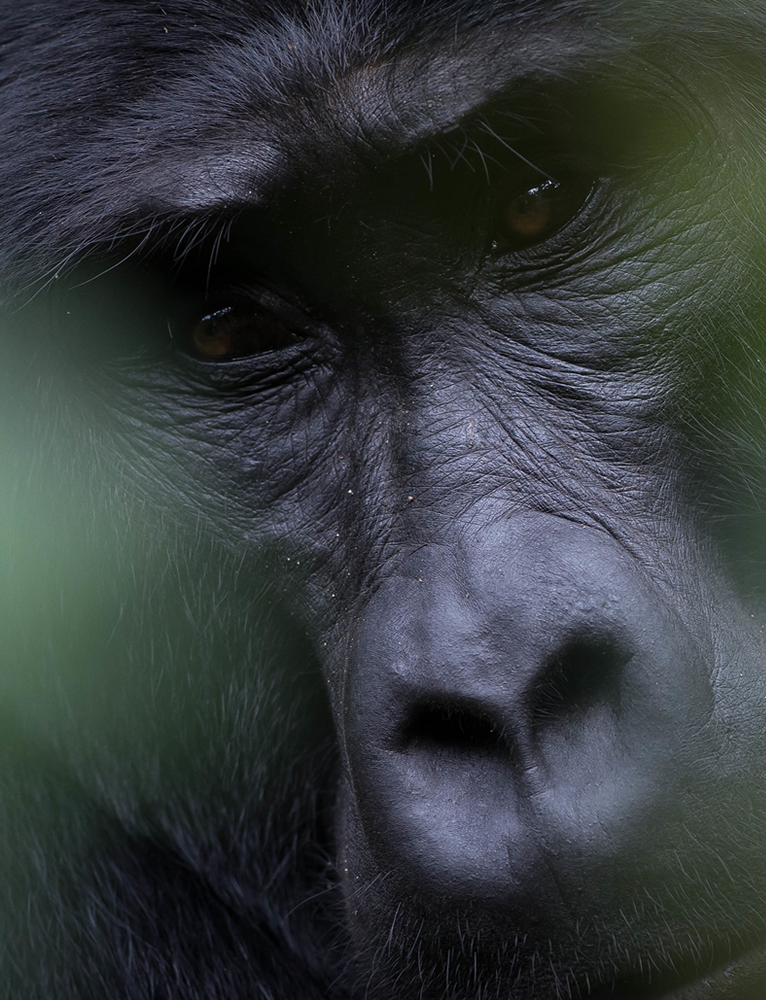
This is the heart of the trip. After an early breakfast, transfer to park headquarters at Kinigi for a briefing, where guides assign trekking groups based on fitness level and the location of gorilla families that morning. Treks can range from a relatively easy one-hour walk to a strenuous four-to-six-hour hike through montane forest and bamboo zones, depending on where the gorillas have moved. Once you find them, you’re permitted one hour in their presence — an extraordinary experience watching silverbacks, mothers, and playful juveniles at close range.
Gorilla permits in Rwanda currently cost USD 1,500 per person and must be booked well in advance, ideally 3–6 months ahead in high season (June–September, December–February). Porters are available to hire locally (around USD 15–20) and are worth engaging both to support the local community and to help with the sometimes-muddy terrain. After the trek, return to your lodge for a well-earned rest, or opt for an afternoon add-on such as a Golden Monkey trek or a visit to the Iby’Iwacu Cultural Village.
Lodging: Same as Day 1.
Day 3: Cross into Uganda – Transfer to Lake Bunyonyi
After breakfast, depart for the Rwanda–Uganda border at Cyanika (roughly 30–45 minutes from Musanze). Border formalities are generally straightforward; East African Community members and many nationalities can obtain a visa on arrival, though it’s worth confirming requirements for your passport in advance. Once through, it’s about a 2 to 2.5-hour drive to Lake Bunyonyi, one of Uganda’s most beautiful lakes, dotted with 29 islands and ringed by terraced hills reminiscent of the Rwandan landscape you’ve just left.
Bunyonyi means “place of many little birds,” and it’s a haven for birdwatchers as well as a genuinely relaxing stop after the intensity of trekking. It’s also one of the few lakes in the region considered safe from bilharzia and crocodiles, making it swimmable. Arrive in time for lunch and an easy afternoon — perhaps a short canoe paddle on the calm water as the sun sets over the islands.
Upper-mid-range lodge options: Arcadia Cottages, Bunyonyi Safari Resort, Birdnest at Bunyonyi, or Lake Bunyonyi Overland Resort — most offer lakeside cottages or bandas with private decks overlooking the water.
Day 4: Leisure Day at Lake Bunyonyi
A full day to unwind. Options include a guided canoe excursion using traditional dugout canoes to visit islands with local legends attached to them — Akampene (“Punishment Island”), historically used to banish unmarried pregnant girls, is the most infamous. You can also arrange a community walk through nearby Batwa or Bakiga villages, a nature hike along the lake’s ridgelines with views toward the Virunga volcanoes, or simply spend the day swimming, kayaking, or reading on your lodge’s terrace. Many lodges also offer spa treatments or nature trails for those wanting a quieter pace. This day is intentionally unstructured to let you recover before the safari portion of the trip.
Lodging: Same as Day 3.
Day 5: Transfer to Queen Elizabeth National Park
Depart after breakfast for Queen Elizabeth National Park, roughly a 3 to 4-hour drive through the western Ugandan highlands via Kabale and Ishasha, or via the more direct route through Kihihi depending on road conditions and your driver’s preference. The drive offers striking views of the Bwindi forest edge and the Rift Valley escarpment as you descend toward the park.
If time and route allow, you may pass through (or divert slightly to) the Ishasha sector, famous for its tree-climbing lions that rest in the branches of large fig trees during the heat of the day — a genuinely unusual sighting even for seasoned safari-goers. Arrive at your lodge in the main Mweya/Kasese sector or Kazinga Channel area in time for a late-afternoon game drive, watching for elephant, buffalo, Uganda kob, and possibly lion as the light softens.
Upper-mid-range lodge options: Enganzi Game Lodge, Buffalo Safari Lodge, Ihamba Lakeside Lodge, or Marafiki Safari Lodge. Mweya Safari Lodge is a well-known option in the same range with a superb location on the peninsula overlooking the Kazinga Channel, though it can be busier due to its size.
Day 6: Full Day in Queen Elizabeth National Park
An early morning game drive through the Kasenyi plains or Mweya sector offers the best chance of spotting lion, elephant, buffalo, and a wide variety of antelope species while temperatures are cool and animals are most active. Return to the lodge for a late breakfast and some downtime.
In the afternoon, take the Kazinga Channel boat cruise, one of the best wildlife-viewing activities in Uganda. The two-hour cruise along the channel connecting Lakes Edward and George brings you close to hippo pods, basking crocodiles, buffalo herds, and prolific birdlife, including African fish eagles, pelicans, and kingfishers — often with elephants visible drinking at the water’s edge. Depending on interest and time, you could substitute or add a chimpanzee tracking excursion in the nearby Kyambura Gorge, a dramatic rift valley canyon sometimes called the “Valley of Apes,” though this typically requires an early start and adds cost. Overnight again in the park.
Lodging: Same as Day 5.
Day 7: Return to Kigali
After a final early morning game drive or a relaxed breakfast (depending on your flight schedule), begin the journey back to Kigali. The return route typically goes via the Katuna/Gatuna or Cyanika border crossing back into Rwanda, a drive of approximately 4 to 5 hours depending on the border and road conditions, plus crossing time. Some itineraries route this leg via Kisoro for a shorter crossing distance.
Arrive back in Kigali with time for a late lunch, some last-minute shopping (Kimironko Market or the Inema Arts Center are good options), and a transfer to the airport for your departure flight, or an overnight in Kigali if your flight is early the next morning.
Optional Kigali overnight options: Ubumwe Grande Hotel, Manor Hotel, or Hotel des Mille Collines (upper-mid to upper range, historically notable as the hotel behind the film “Hotel Rwanda”).
Practical Notes
- Permits: Book Rwanda gorilla permits (USD 1,500 pp) as far ahead as possible; they’re the single biggest cost and availability driver of this itinerary.
- Border crossings: Bring extra passport photos and cash (USD) for visa fees if applicable; confirm your nationality’s visa requirements for both Rwanda and Uganda before travel, or consider the East Africa Tourist Visa, which covers both countries plus Kenya.
- Packing: Waterproof hiking boots, gardening-style gloves, long sleeves/trousers for trekking (nettles and thorns are common), a rain jacket, and neutral-colored safari clothing for the QENP portion.
- Vehicle: A 4×4 safari vehicle with a pop-up roof is recommended throughout, especially for game drives and the sometimes rough roads around Ishasha.
- Fitness: Gorilla trekking can be physically demanding; a reasonable level of fitness improves the experience, though porters can carry bags and offer support on steeper sections.
This route works well as a private guided tour with a single driver-guide throughout, which simplifies logistics considerably given the border crossings and mix of activities. Let me know if you’d like this adapted into a day-by-day budget breakdown or adjusted for a different pace.