
Bwindi Impenetrable Forest
Bwindi Impenetrable National Park
Bwindi covers about 331 km² and rises from 1,190 to 2,600 metres, an altitude range that, with heavy rainfall, supports remarkable biodiversity. It shelters over 120 mammal species, including forest elephants, chimpanzees, colobus and L’Hoest’s monkeys, and bushpigs. It is also one of Africa’s finest birding sites, with more than 350 species, many of them Albertine Rift endemics such as the African green broadbill and Grauer’s warbler.
Bwindi is best known for holding roughly half the world’s remaining mountain gorillas. It is also vital to the Batwa, who lived in and depended on the forest for generations and now share their heritage with visitors through cultural experiences.
How Many Gorillas Live in Bwindi?
The most widely quoted figure is about 459 individuals, from the latest census, which puts Bwindi’s population at roughly half of all the mountain gorillas remaining in the world. The only other home of mountain gorillas is the Virunga Massif, which spans Uganda, Rwanda and the DRC. Both populations have grown slowly over the past two decades thanks to strong protection, veterinary care and tourism revenue. Mountain gorillas are still endangered, though, and numbers can shift with births, deaths and group movements, so the figure is best treated as an estimate rather than an exact count. Only some of those gorillas are visited by tourists. Others live in groups that are unhabituated or used only for research.
Activities in Bwindi National Park
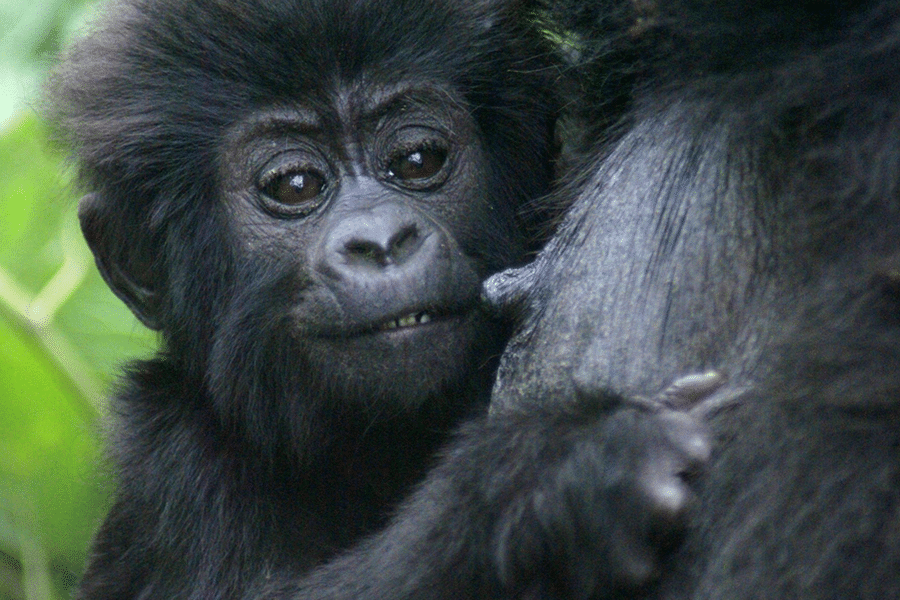
Gorilla trekking is the main safari activity in Bwindi. Habituation is available in Rushaga, this lets you spend up to four hours with a family that is still being accustomed to humans, alongside trackers and researchers. It is more demanding and more expensive than regular tracking, but many people find it deeply rewarding.
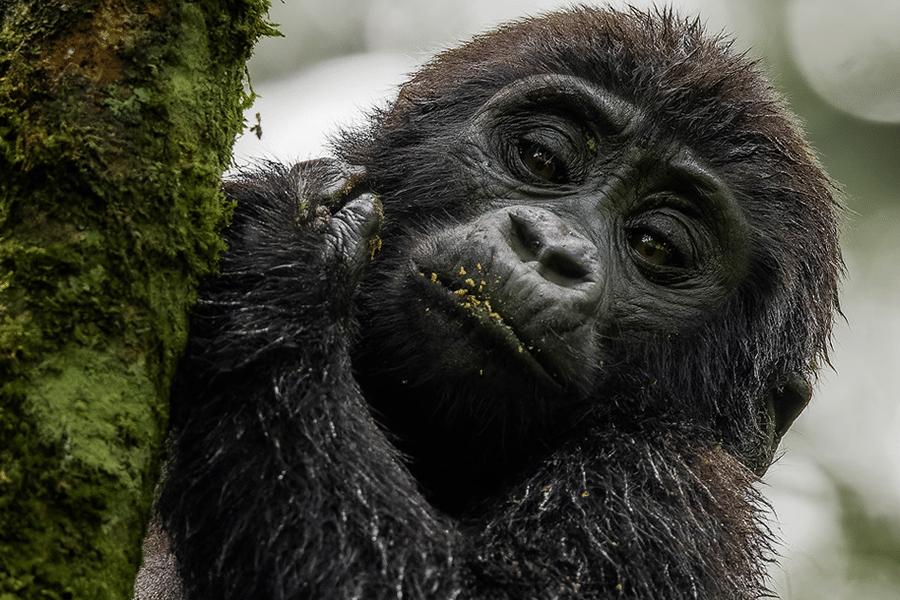
With more than 350 species, including many Albertine Rift endemics, Bwindi is a top birding destination in Africa. The Buhoma waterfall trail, the Ruhija trails and the Mubwindi Swamp trail near Ruhija are especially productive.
Guided walks include the Munyaga River trail, the Muzabajiro loop trail, the Rushura hill walk, the Ivy River trail and the Buhoma–Nkuringo trail, which links two sectors and takes in forest, farmland and lake views. These trails give you a chance to see monkeys, butterflies, forest birds and plants.

Gorilla Habituation
Gorilla habituation in Uganda’s Bwindi Impenetrable National Park is the gradual process of accustoming wild mountain gorillas to human presence so tourists and researchers can observe them safely. Trained trackers visit a chosen group daily, typically for two to three years. They start at a distance, mimic gorilla sounds such as grunting and feeding noises, and avoid direct eye contact and sudden movements to signal they are no threat. Eventually, the gorillas tolerate closer approaches without aggression or fleeing.
Permit revenue funds conservation and community benefits. However, disease transmission and stress to the animals remain risks, so visitors must wear masks, stay about seven meters away, and limit their time. Bwindi also offers Gorilla Habituation Experience permits, allowing longer visits with semi-habituated groups.
Bwindi Gorilla Sections
This is the oldest and most developed sector, with about four families. Mubare was the first habituated family in Bwindi. Other groups here include Habinyanja, Rushegura and Katwe.
Ruhija sits at a higher, cooler altitude and has about three to four families. They include Bitukura, Oruzogo, Kyaguliro and Mukiza (sometimes listed as Bincumbi).
Rushaga has the most families of any sector, with around ten habituated groups listed, including Nshongi, Bweza, Mucunguzi, Kahungye, Bikingi and Mishaya.
Nkuringo has about three to four families. Listed groups include Nkuringo, Bushaho, Christmas and Posho. Treks here are widely regarded as the most physically demanding, with steep ridge-to-valley terrain, but they reward fit trekkers with fewer crowds and views over the Virunga volcanoes and Lake Mutanda.
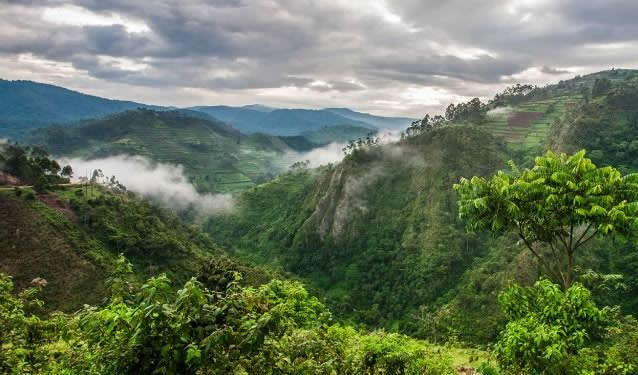
3 Days Bwindi Gorilla Habituation
Depart Kigali on Day 1 and drive southwest to Uganda’s Bwindi Impenetrable Forest via the Cyanika border, enjoying terraced hills and volcano views before settling into your lodge near Rushaga. On Day 2, join researchers and trackers for the rare habituation experience, spending up to four hours with a gorilla family still becoming accustomed to humans, far longer than a standard one-hour trek. Groups are small, and the forest hiking can be strenuous. On Day 3, enjoy a relaxed morning, then return to Kigali.
This is an ambitious itinerary Combining two national gorilla treks in two countries in just four days means long travel days and only one overnight in each park area, plus a border crossing at Cyanika. It’s doable and it leaves little slack for delays, weather, or a long trek — if you can stretch to 5 days, day 4 below becomes much more relaxed.
This 7-day Uganda safari starts and ends in Entebbe, combining Kibale chimpanzee tracking (with an optional habituation add-on) and Bwindi mountain gorilla trekking plus a habituation experience in Rushaga. It also includes a game drive and Kazinga Channel boat cruise in Queen Elizabeth National Park, with upper-midrange lodges throughout.
This Safari package outlines a fast-paced 2-day gorilla trekking itinerary from Kigali to Bwindi Impenetrable National Park, Uganda. It covers the border crossing route, drive times, an overnight lodge stay, and the trekking day itself with rangers. It also lists mid-range lodge options by sector, plus required permits, gear, and fitness/health rules for trekkers.
Best Time to Visit
Bwindi can be visited all year, but the seasons affect comfort and trekking conditions.
The dry seasons, June to September and December to February, are generally the best. Trails are less slippery, the trekking is easier, roads are more reliable and views are clearer. These are also the busiest months, so permits and lodges should be booked well ahead, sometimes many months in advance for July, August and the Christmas period.
The wet seasons, March to May and October to November, bring heavy rain and muddy, steep trails, which can make treks harder. Some roads become difficult. In return, the forest is lush, there are fewer visitors, permits and lodges are easier to secure, and bird activity is high. Gorillas can be tracked in any season, and they often stay at lower altitudes in wet weather, which can even shorten the hike.
Bwindi is a rainforest, so rain is possible at any time of year. Whatever the month, you should expect at least some showers and pack accordingly.
What to Pack for a Bwindi Safari
Preparing well makes trekking much more comfortable. A sensible packing list includes:
Clothing
- Long-sleeved shirts and long trousers in neutral colours such as green, khaki or brown, which protect against nettles, thorns and insects. Avoid bright colours and, ideally, black or blue, which can attract tsetse flies.
- A lightweight, waterproof rain jacket or poncho.
- A warm fleece or sweater for cool mornings and evenings, especially in Ruhija and Nkuringo.
- Comfortable, quick-drying layers.
- A wide-brimmed hat or cap and sunglasses.
Footwear and hiking gear
- Sturdy, waterproof hiking boots with good grip, broken in before the trip.
- Gaiters, which keep out mud, ants and leeches.
- Gardening or thick hiking gloves for grabbing vines and branches on steep slopes.
- Warm, moisture-wicking socks.
- A walking stick, which is usually available at the briefing point.
- A daypack, ideally waterproof or with a rain cover.
Health and personal items
- Insect repellent and sunscreen.
- A refillable water bottle and some energy snacks; packed lunches are usually arranged by your lodge.
- Any personal medication, a basic first-aid kit, hand sanitiser and tissues.
- Proof of yellow fever vaccination and any other documents required for entry, along with your passport and gorilla permit. Check current health requirements before you travel.
- If you have a cold or any illness, tell your guide, since gorillas are susceptible to human diseases and you may not be allowed to trek.
Photography and other extras
- A camera with good low-light performance (flash is not permitted around gorillas) and spare batteries and memory cards.
- Binoculars, which are excellent for birding and monkeys.
- A dry bag or plastic zip bags to protect electronics.
- Cash for tips and crafts, since porters, trackers and guides all appreciate gratuities. Hiring a porter is also a good way to support local livelihoods, and many trekkers find it makes the climb much easier.
- A power bank, since electricity in remote lodges can be limited.