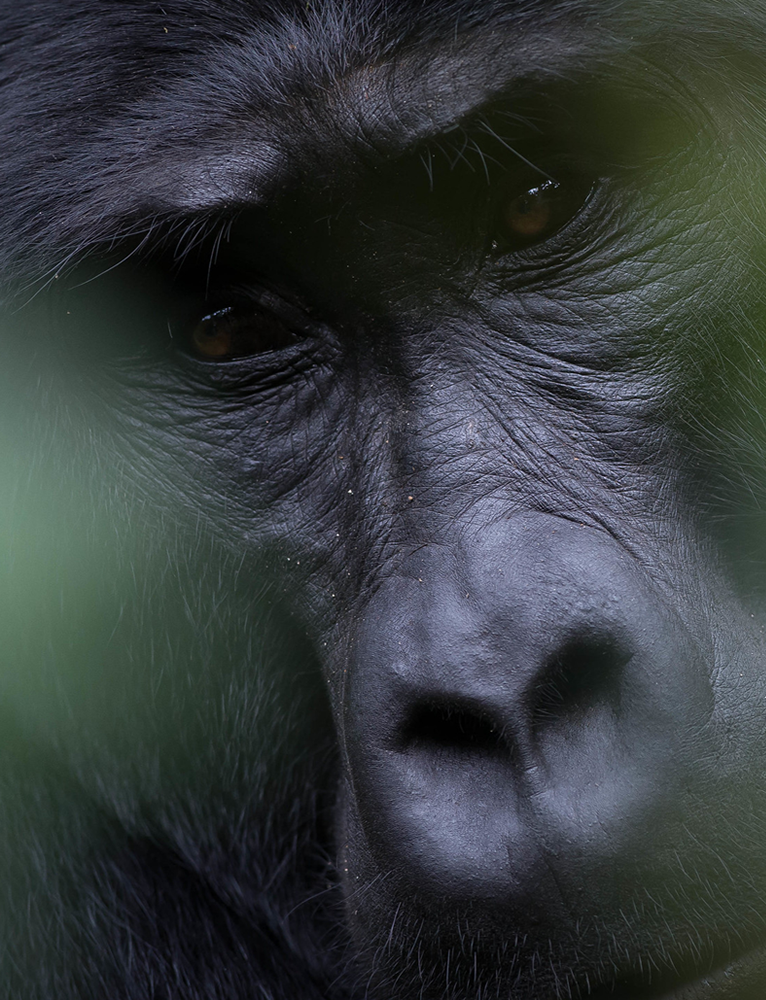
5-Day Uganda Primate Safari: Chimps in Kibale, Gorillas in Bwindi
This route combines chimpanzee trekking in Kibale with mountain gorilla trekking in Bwindi, plus a stop in Queen Elizabeth National Park. Day 5 uses a domestic flight, because the drive from Bwindi back to Entebbe takes 8-10 hours and would consume the whole day. This five-day Uganda safari pairs chimpanzee trekking in Kibale with mountain gorilla trekking in Bwindi. It also includes a Queen Elizabeth National Park stop for tree-climbing lions, Bigodi Wetland walks, and a domestic flight back to Entebbe.
Itinerary
Day-by-Day Itinerary
Day 1: Entebbe to Kibale (Fort Portal region)
- Early start from Entebbe, with a driver-guide. The drive is about 5-6 hours via Mubende and Fort Portal, mostly on paved roads.
- Stop at the equator crossing at Kayabwe, and have lunch along the way.
- Arrive in the afternoon. If you have energy, take a short walk through the tea estates or the crater lake area near Fort Portal.
- Overnight near Kibale National Park.
Tip: If you arrive in Entebbe on a late flight, spend the first night there and start fresh the next morning. The extra rest pays off on trekking days.
Day 2: Chimpanzee trekking in Kibale
- Morning trek (about 8:00 am briefing): Kibale holds roughly 1,500 chimpanzees, and one of the world’s highest densities of primates. Treks typically take 2-4 hours, and the habituated community makes sightings very reliable. You get one hour with the chimps once found.
- Look for other primates on the way: red colobus, black-and-white colobus, L’Hoest’s monkeys, grey-cheeked mangabeys, and olive baboons.
- Afternoon: Guided walk through Bigodi Wetland Sanctuary, a community-run site good for birds (great blue turaco) and more monkeys. It’s flat and relaxed, a good contrast to the morning’s effort.
- Overnight near Kibale.
Optional upgrade: The Chimpanzee Habituation Experience lets you spend a full day following chimps being habituated. It costs considerably more and needs separate booking.
Day 3: Kibale to Bwindi via Queen Elizabeth National Park
- Depart after breakfast. The drive is long (6-8 hours), so expect a full travel day through scenic Rwenzori foothills.
- Route through the Ishasha sector of Queen Elizabeth National Park, famous for tree-climbing lions that rest in fig trees. Sightings aren’t guaranteed, but a late-morning game drive here is worthwhile.
- Continue south to the Bwindi region and arrive by late afternoon. Most visitors choose Buhoma (northern sector), which suits this route.
- Evening: a briefing from your guide on tomorrow’s trek, and an early night.
Day 4: Gorilla trekking in Bwindi Impenetrable National Park
- Morning briefing at 7:30-8:00 am at the park headquarters. Rangers assign you to a habituated gorilla family based on fitness and preference.
- Treks last anywhere from 1 to 6+ hours, depending on where the family moved overnight. Terrain is steep, muddy, and densely forested, which is why it is called “impenetrable.” Porters are available (about $20-30), and they are well worth hiring both for support and to benefit local communities.
- Once you find the family, you get one hour with the gorillas. Rules: keep 7 meters back, stay quiet, no flash photography, and don’t go if you’re ill.
- Afternoon: rest, or visit the Batwa cultural experience (an optional community visit to learn about the forest people who lived here before the park was gazetted).
- Overnight in Bwindi.
Day 5: Bwindi to Entebbe
- Early transfer to Kihihi airstrip (about 45-90 minutes depending on your lodge) for a morning domestic flight to Entebbe (about 1.5 hours). Operators like Aerolink and Fly Uganda serve this route, but check the current schedule.
- Arrive in Entebbe by midday, leaving time for lunch, souvenir shopping, or a quick visit to the Botanical Gardens before an evening international flight.
- Safer option: Plan your international departure for late evening or the next day, to absorb any flight delays.
Upper-Midrange Lodge Options
Rates are rough ranges for full-board, per person sharing, and vary by season. Verify before booking.
Kibale / Fort Portal Area
| Lodge | Setting | Why choose it | Approx. price |
|---|---|---|---|
| Kyaninga Lodge | Overlooking a crater lake, with Rwenzori views | Stylish timber cottages, excellent views, very good food | $350-500 |
| Ndali Lodge | Crater-rim estate | Intimate, family-run, classic safari-lodge feel | $350-480 |
| Primate Lodge Kibale | Inside the park near Kanyanchu | Closest to trek start, forest atmosphere, wildlife around the grounds | $250-400 |
| Papaya Lake Lodge | Beside a crater lake | Quieter, more affordable upper-mid option | $200-300 |
Bwindi (Buhoma sector, matching this route)
| Lodge | Why choose it | Approx. price |
|---|---|---|
| Mahogany Springs | Comfortable cottages above the Munyaga River, good value for the quality | $300-450 |
| Gorilla Safari Lodge | Hillside views, reliable service, close to park HQ | $250-400 |
| Bwindi Lodge | Well-regarded, with a sense of seclusion | $400-600 |
| Buhoma Lodge | Premium end of the group, superb setting | $500-700 |
If you would rather base in the south (Rushaga or Nkuringo), look at Clouds Mountain Gorilla Lodge or Rushaga Gorilla Camp. Southern sectors suit a Kisoro or Rwanda-border entry rather than this itinerary’s northern route.
Choosing a lodge: Look for hot-water bottles at night (Bwindi gets cold), laundry service, and a lodge that can arrange porters. Book lodge and permit around the same dates, since permit dates determine everything else.
Gorilla Trekking Packing List
Clothing
- Long-sleeved shirt (lightweight, quick-dry, neutral colors like olive, khaki, or grey)
- Long trekking trousers, ideally sturdy and tucked into socks to deter ants and nettles
- Waterproof rain jacket or poncho. Rain is possible any month.
- Warm fleece or light down jacket for cold mornings and evenings
- Moisture-wicking base layers
- Hat with a brim for sun and rain
- Several pairs of hiking socks, preferably wool-blend, plus gaiters if you have them
Footwear and Hand Protection
- Broken-in waterproof hiking boots with good ankle support and tread. This is the single most important item. Do not wear new boots.
- Gardening gloves or light work gloves for gripping vines, branches, and thorny plants
- Camp shoes or sandals for the lodge
Gear and Health
- Daypack (20-30 liters), ideally with a rain cover or dry bag liner
- Water bottle or hydration bladder (2 liters recommended)
- Trekking pole or walking stick (lodges and rangers often supply wooden ones)
- Insect repellent, sunscreen, and lip balm
- Personal medications, a small first-aid kit, blister plasters, and hand sanitizer
- Energy snacks (nuts, bars). Lodges usually provide packed lunch.
- Face masks (some guides still request them). Staying 7 meters away and avoiding going while sick protects the gorillas from human illness.
- Plastic bags to keep electronics dry and to pack out any trash
Camera and Electronics
- Camera with good low-light performance. The forest is dim, and flash is not allowed.
- Spare batteries and memory cards (cold and humidity drain batteries)
- Binoculars (8×32 or 10×42) for birds and canopy primates
- Power bank, and a Type G (UK-style) adapter
Documents and Money
- Passport, gorilla and chimp permits (printed copies), and yellow fever certificate if required
- Travel insurance, ideally including medical evacuation
- Small US dollar bills and Ugandan shillings for tips and porters, as ATMs are scarce in rural areas
Tips on Tipping
- Porters: $15-20 on top of the fee is typical
- Rangers and trackers: $10-15 each per person per trek
- Driver-guide: $10-15 per day per group
A Few Final Tips
- Fitness: You don’t need to be an athlete, but build stamina in the weeks beforehand with hill walks.
- Health: A yellow fever vaccination is recommended, and malaria prophylaxis is advised. Speak to a travel clinic well in advance.
- Weather: The drier months (June-September, December-February) make trails easier, but gorillas can be seen year-round.
- Operator: Reputable Ugandan operators handle permits, transport, and lodge bookings together, which simplifies coordination considerably.
I can also adapt this plan for a different budget, add a savanna extension (such as Murchison Falls), or outline a version that starts from Kigali and enters Bwindi via the Rwanda-Uganda border. Let me know.