8-Day Uganda Safari: Murchison Falls, Kibale Chimpanzees & Bwindi Gorillas
Route: Entebbe → Murchison Falls → Kibale (Fort Portal) → Bwindi → Entebbe
This itinerary runs north first, then loops down the west of the country, and ends with a short domestic flight so you aren’t stuck in a car on the last day. Drive times are approximate and depend on road conditions and stops.
Itinerary
Day 1: Arrival in Entebbe
Your guide meets you at Entebbe International Airport and transfers you to your lodge, about 30 to 45 minutes away on the shores of Lake Victoria.
Depending on your arrival time, spend the afternoon at the Entebbe Botanical Gardens. It’s a calm, forested spot with monkeys, a good variety of birds and large trees on the lakeshore, and a gentle way to recover from the flight. If you arrive early, the Uganda Wildlife Education Centre nearby is worth a visit for a close look at rescued animals.
Have dinner by the lake and get an early night. Tomorrow starts early.
Overnight: Entebbe (lakeside lodge or guesthouse)
Day 2: Entebbe to Murchison Falls National Park (about 5 to 6 hours’ drive)
Leave after an early breakfast and drive north through Kampala’s bypass, then on to Masindi and the park. On the way, stop at Ziwa Rhino Sanctuary, the only place in Uganda where you can see wild-living southern white rhinos. You track them on foot with a ranger, often getting within a few meters. Allow about 2 hours.
After lunch, continue to the park, where the landscape opens up into savannah and borassus palms. Arrive at your lodge by late afternoon and watch the sunset over the Nile.
Overnight: Murchison Falls National Park (Paraa area, either bank of the Nile)
Day 3: Murchison Falls Game Drive and Boat Cruise
Start at dawn with a game drive across the northern savannah, which is the best time for wildlife. Murchison is known for giraffes (Rothschild’s), elephants, buffalo, Jackson’s hartebeest, Uganda kob, warthogs and lions, and leopards turn up occasionally. The drive begins with a short ferry crossing of the Nile if you’re staying on the south bank.
Return to the lodge for lunch and a rest through the midday heat.
In the afternoon, take the launch cruise up the Victoria Nile to the base of Murchison Falls, where the whole river squeezes through a gap just 7 meters wide and thunders down. On the way you’ll pass hippos, large Nile crocodiles, elephants and buffalo at the water’s edge, and plenty of birds. Keep an eye out for the rare shoebill stork in the papyrus near the delta, which many birders consider the highlight of the park.
Overnight: Murchison Falls National Park
Day 4: Murchison Falls to Kibale / Fort Portal (about 7 to 8 hours’ drive)
If you want one last look at the falls, take an optional early-morning hike to the top of the falls, where you can feel the spray and see the water funnel into the gorge. Then begin the long drive south-west via Hoima and Fort Portal.
It’s the longest road day of the trip, so the route is broken up with stops at village markets, tea estates and viewpoints. The scenery shifts from dry savannah to the green hills of western Uganda, with tea plantations around Fort Portal and crater lakes in the distance. Reach your lodge near Kibale in the evening. Relax, have dinner and sleep early for tomorrow’s forest day.
Overnight: Kibale Forest area (Kanyanchu or Fort Portal region)
Day 5: Chimpanzee Habituation Experience in Kibale Forest
This is a full-day, in-depth alternative to the standard chimp trek. Begin at Kanyanchu around 6:00 am with a briefing, then head into the forest with researchers and trackers. Kibale has the highest density of primates in Africa and a large chimpanzee population, so your chances of finding the group are excellent.
The habituation experience (the chimps are being gradually accustomed to human presence) lets you stay with the animals for most of the day, rather than the single hour allowed on a standard trek. You follow the group as they feed, rest, groom, travel and call, and you learn how researchers track and record their behavior. Expect uneven terrain, humidity and long periods on your feet. Bring a packed lunch, plenty of water, gloves, long sleeves and sturdy boots.
You’ll typically return in the late afternoon, tired and muddy. If energy remains, consider a short evening walk in the Bigodi Wetland Sanctuary, which has good birding and several other primate species such as red-tailed monkeys and L’Hoest’s monkeys.
Overnight: Kibale Forest area
Day 6: Kibale to Bwindi via Queen Elizabeth National Park (about 6 to 7 hours’ drive)
Drive south through the rift valley region, with the Rwenzori Mountains visible on clear mornings. Your route passes through the northern edge of Queen Elizabeth National Park, where you may spot elephants, buffalo and kob from the road.
If time allows, make a stop in the Ishasha sector for a short game drive. It’s famous for its tree-climbing lions, which are often found lounging in fig trees. Continue into the hills around Bwindi Impenetrable National Park, with winding roads, terraced farms and sweeping views.
Reach your lodge in the late afternoon. Rest, sort your gear for tomorrow and have an early dinner. Your guide will brief you on gorilla trekking rules and what to expect.
Overnight: Bwindi (Buhoma sector, or Rushaga or Ruhija depending on your permit)
Day 7: Mountain Gorilla Trekking in Bwindi
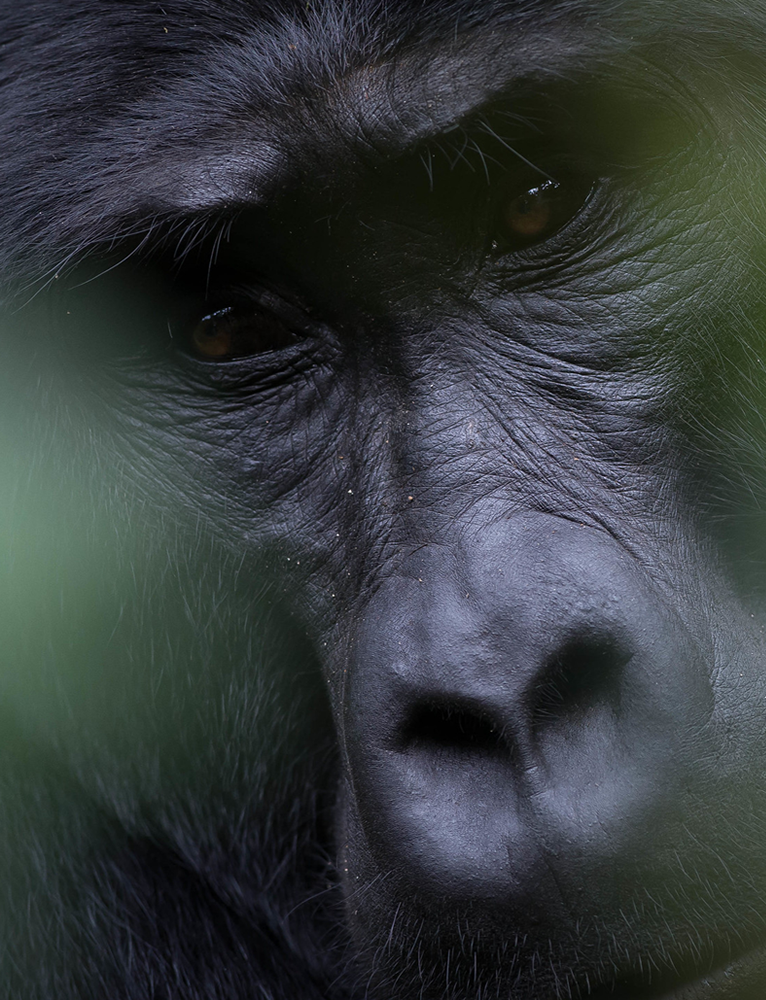
This is the centerpiece of the trip. After breakfast, report to the park office for a briefing and assignment to a habituated gorilla family. Groups are small, so rangers can manage the impact on the animals.
The trek can last anywhere from 1 to 6 hours, depending on where the gorillas spent the night. The terrain is steep, muddy and thickly vegetated. Porters are available for hire, and they are well worth it: they carry your bag, help you up the steeper slopes, and the fees directly support local families.
Once you find the family, you spend one hour with them. You may watch a silverback survey his group, infants tumble through the undergrowth, and mothers feed. Photography is allowed without flash, and you must keep at least 7 meters away, although the gorillas don’t always follow that rule. Anyone who is sick, even with a cold, can’t trek.
After returning and receiving your certificate, spend the afternoon relaxing or take a community walk to learn about local life, including visits to a Batwa cultural site or a village craft cooperative.
Overnight: Bwindi
Day 8: Fly Bwindi to Entebbe and Departure
After a leisurely breakfast, transfer to Kihihi airstrip (about 1 to 1.5 hours’ drive from Buhoma, depending on your lodge’s location) for the roughly 1.5-hour scheduled or charter flight to Entebbe. The flight saves you from a 9 to 10 hour drive and gives you aerial views of lakes, forests and farmland.
You’ll land in Entebbe around midday and be met for your onward transfer. If your international flight is in the evening, you can add a day room, a lunch by the lake or last-minute souvenir shopping at the Entebbe craft market.
Practical Notes
- Permits: Gorilla trekking permits are limited and sell out, especially from June to September and December to February, so book 6 to 12 months ahead. Chimpanzee habituation permits are also limited. Prices change often, so check current rates with the Uganda Wildlife Authority or your operator.
- Budgeting: The permits are the largest cost, followed by internal flights and lodging. Mid-range lodges are plentiful, and luxury options exist near each park.
- Best time to go: The dry seasons (roughly June to September and December to February) have easier trekking conditions and better road access, but the rest of the year still works if you’re prepared for rain.
- Health: A yellow fever certificate is required for entry. Consult a travel clinic about malaria prophylaxis and other vaccinations.
- Packing: Layers, a waterproof jacket, hiking boots, gardening gloves for gorilla treks, a hat, insect repellent, binoculars and a headlamp.
- Fitness: The treks involve steep, muddy terrain at altitude (Bwindi sits around 1,200 to 2,600 meters), so some basic fitness is helpful.
- Flexibility: If you prefer a slower pace or want extra time in Queen Elizabeth National Park for a boat cruise on the Kazinga Channel, consider extending the trip by one or two days.